Bleach spots and patches: how carpet repair brings a room back
Some carpet damage can't be cleaned out, but much of it can be repaired without ripping up the whole room.
October 19, 2026 · 4 min read
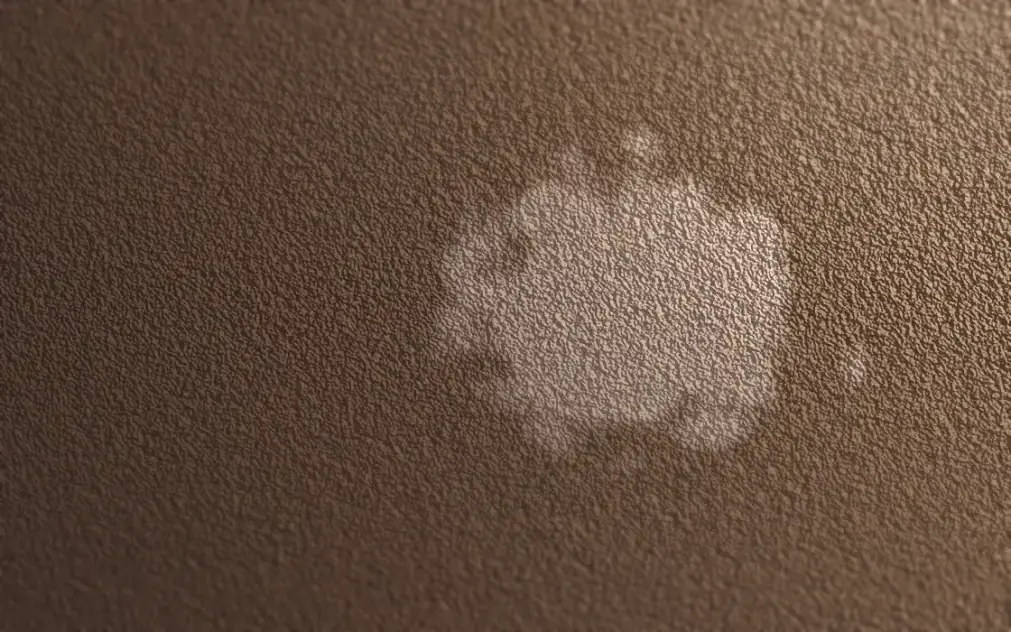
You notice it while you're vacuuming or when the light hits the floor a certain way: a pale, washed-out patch the size of a coin, a hand or a dinner plate. You scrub it. You try a different cleaner. Nothing changes, because the mark isn't dirt at all. The carpet has lost its color, and no amount of cleaning can put color back.
That's the point at which many homeowners start pricing out new carpet for the whole room. Before you do, it's worth knowing what repair can do. In many cases a small problem can be fixed as a small problem.
How to tell color loss from a stain
A stain sits on or in the fibers. Color loss means the dye itself has been stripped or changed. Bleach is the usual culprit, whether from a spilled cleaning product, a splash from a bathroom, or acne medication on a pillowcase that brushed a bedroom carpet. Some pet accidents and a few household chemicals can do it too.
The giveaway is that the area looks lighter than the carpet around it, usually with a sharp edge, and it stays that way when the surface is clean and dry. If you part the pile and the fiber is pale all the way down, that's lost color, not soil. Stains tend to look darker or off-colored. Bleach spots look faded or white, sometimes with an orange or yellow tinge as the dye breaks down.
Spot dyeing: putting the color back
Spot dyeing does what it sounds like. A dye is mixed to match the color of your carpet and applied to the affected area, so the faded patch blends back into the surrounding pile. It's a hands-on process, closer to color matching a paint than to cleaning, and it depends on judging the shade carefully in good light.
It's inexpensive compared with replacing carpet, and it works on almost all stains and discoloration that cleaning can't touch. It's often the best answer for the places people have given up on: the spot by the bathroom door, the area where a cleaner got knocked over, the bleached corner behind the laundry basket. Because the work is local, the rest of the room stays as it is.
Patching: swapping out a ruined section
Some damage is beyond color. A burn from a curling iron, a hole from a dropped tool, a section chewed by a pet, or a patch ruined by a spill can leave the fibers themselves missing or melted. Dye can't rebuild that. This is where patching comes in.
In a patch repair, the ruined section is cut out and a piece of matched carpet is inserted in its place. The match usually comes from a spare remnant or from somewhere hidden in the house, like the inside of a closet, where the carpet is the same material and nobody will miss a small square. Done carefully, the seam and the direction of the pile line up so that you have to look hard to find it.
This is one reason it pays to keep any leftover carpet from the original installation. If you have a roll end in the garage or a spare piece in a closet, hold on to it. It might save you an entire room one day.
Stretching out bumps and waves
Not all damage is a mark. Sometimes the problem is the way the carpet sits. Over time, especially in older homes or after moisture, wall-to-wall carpet can loosen from its anchor points and form ripples and bumps. They look unsightly, they trap dirt along the ridges, and they're a trip hazard where they cross a doorway.
Stretching fixes that. The carpet is re-tensioned and pulled back tight to the baseboards, so the floor lies flat again. It's a quicker and gentler repair than most people expect, and it often makes a tired room look newer without any change to the carpet itself. If you've been avoiding a lumpy hallway or bedroom because you assumed it meant replacement, ask about stretching first.
Matted, crushed traffic lanes aren't always a sign the carpet is finished. Cleaning, raking and trimming can lift a worn pile and make it look flat and even again. It won't turn thirty-year-old carpet into new, but it can buy you time.
Repair or replace: how to decide
A few questions help sort out which way to go:
- Is the damage confined to a few small areas, or spread across the whole room?
- Is the rest of the carpet in decent shape, or is it worn, thin and out of style anyway?
- Do you have matching carpet available for a patch?
- Is the problem the color, the fibers, or the way the carpet is laid?
If the answers point to a few localized problems on carpet that's otherwise fine, repair usually makes sense. If the carpet is worn out everywhere, replacing it may be the better investment, and a repair person will tell you that straight. It's worth getting the opinion before you decide, because you'll know exactly what you're paying for.
Topeka Carpet Cleaning handles spot dyeing and carpet repair and stretching for homes and businesses around Topeka. We offer a free, no-obligation quote, so you can find out whether your pale patch, ripple or ruined corner is fixable before you commit to anything. Call (785) 384-4460, Monday to Friday, 9 AM to 5 PM, and describe what you're seeing.
Topeka Carpet Cleaning, (785) 384-4460
Call (785) 384-4460More articles
Everyday habits that keep Topeka carpets clean between professional cleans
Most of what wears a carpet down comes in on shoes and through the air, and a few steady habits keep both under control.
Why Topeka homeowners hire a professional to clean tile and grout
Tile wipes clean in seconds, but the grout between it is porous, and that's where the real work is.